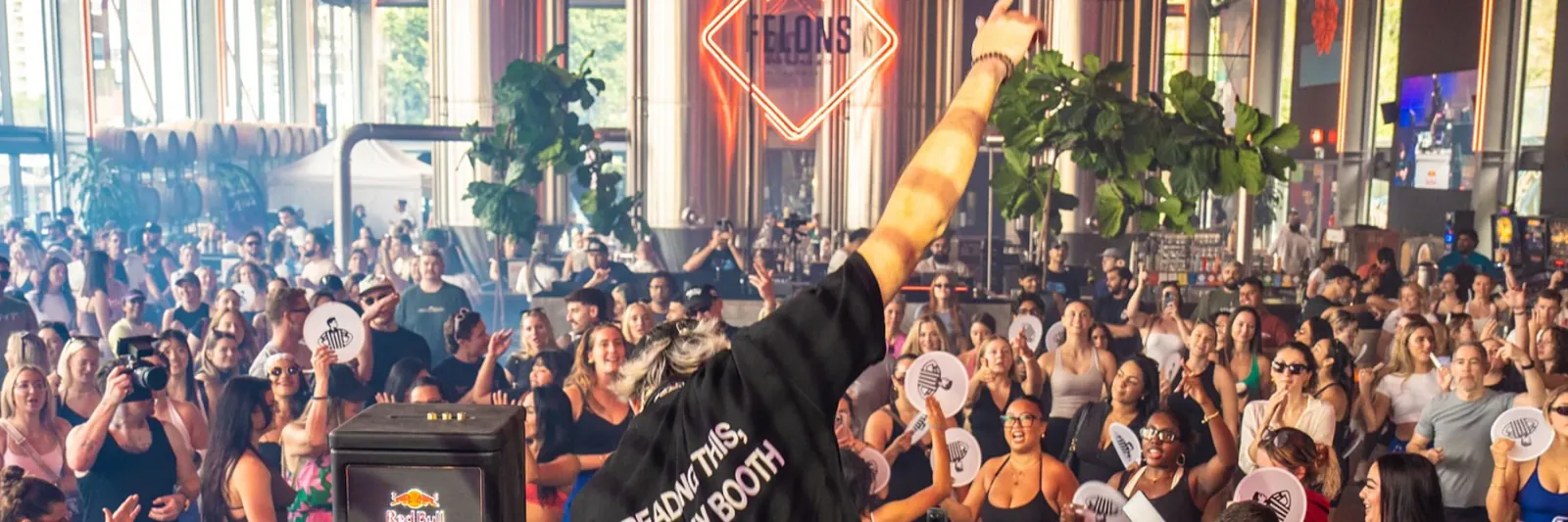
Why this matters more than you think.
Your venue is not just a space for hire. It is a brand. The people who come to events at your venue are your audience too. They know your name, they know your location, they have had experiences in your room. But if you cannot contact them, you cannot market to them.
That means when you have a quiet night to fill, you are starting from scratch. When you want to promote your own programming, you have no list to send to. When you want to understand who your audience actually is, what they attend, how often they come back, you have nothing to work with.
Meanwhile, the promoters who run events at your venue are building rich databases of the same people. They have the attendee data. They can run SMS and email campaigns. They can segment by event type, location, and attendance history. The venue sees none of it.
How Collabs change this.
On yourkind, when a promoter creates an event at your venue, they can invite your venue as a collaborator. Once you accept, you get real-time access to all ticket sales and full attendee data from your own dashboard. Names, emails, phone numbers. No chasing the promoter for an update. No waiting until after the event for a half-complete door list.
Your door staff can scan tickets on the night using the yourkind app. The event automatically appears on your venue's brand page and event feed. And the attendee data flows into your venue's database, building your audience with every event that happens in your space, even when someone else is running it.
A bigger venue database benefits everyone.
This is not a one-sided arrangement. When your venue builds a larger database, promoters benefit too. A venue that can push an event to 10,000 contacts via SMS or email is a significantly more attractive booking than one that offers four walls and a sound system.
Promoters want to work with venues that help them sell tickets. If your venue can actively market their event to an engaged local audience, you become a partner, not just a hire. That changes the dynamic of the relationship entirely and makes your venue more competitive.
What you can do with the data.
Once your venue starts accumulating attendee data across multiple events and promoters, you have something powerful: a single database of everyone who has been to your space, regardless of who ran the event.
Segment by event type to understand what your audience actually wants. Send an SMS campaign when you have a new event to fill. Email your most frequent attendees with early access to upcoming shows. Understand which nights draw the biggest crowds and which promoters bring the best audience.
Over time, your venue stops being a passive space and starts becoming an active part of the event ecosystem. You know your audience, you can reach them, and you can use that data to make better decisions about programming, partnerships, and marketing.
Stop giving away your audience.
Every event at your venue is an opportunity to grow your database. Without a system to capture that data, every attendee walks in and walks out without you ever knowing who they were.
yourkind Collabs give venues real-time access to ticket sales and attendee data for every event hosted at their space. No chasing promoters. No spreadsheets. Just a database that grows automatically with every show.